
A friend is what the heart needs all the time. – Henry Van Dyke
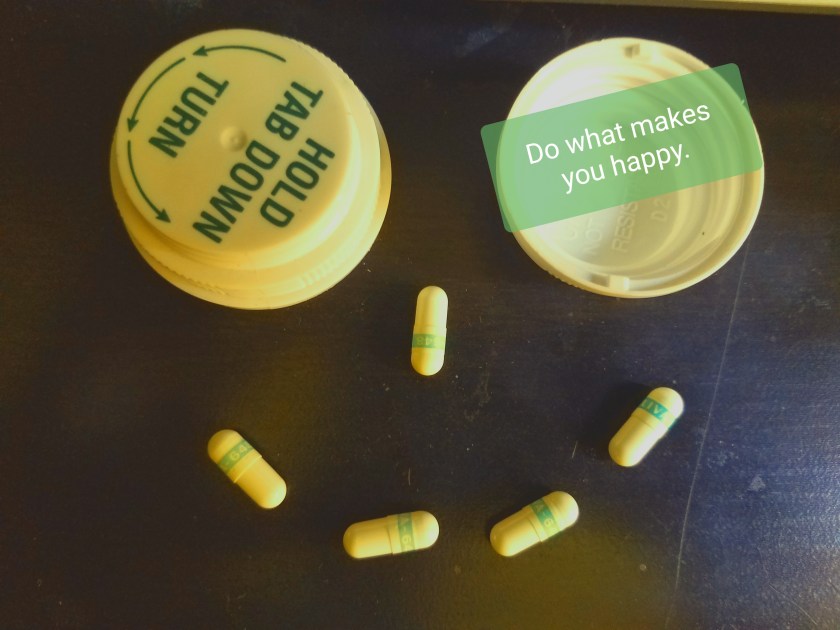
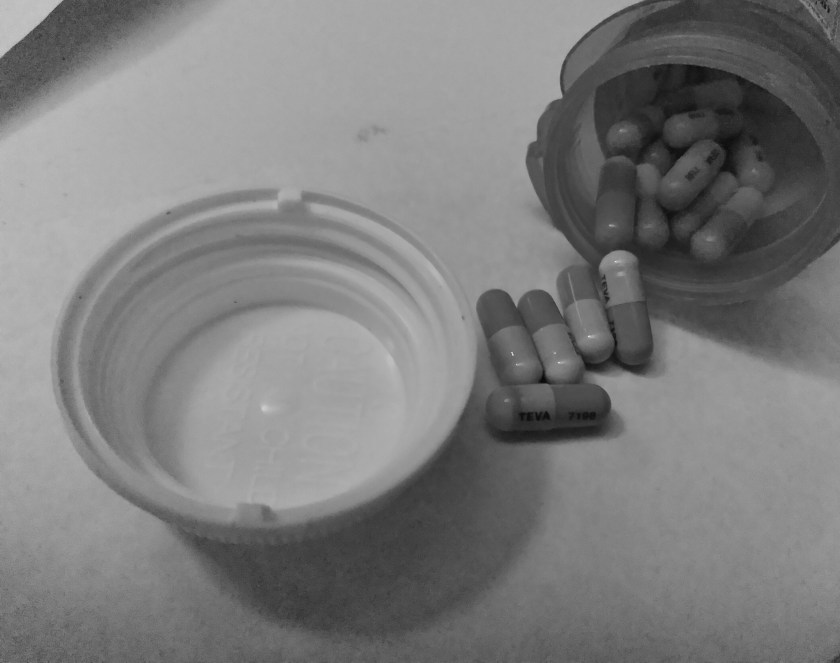
Now that you have been formally introduced to Zac it is fitting to get a bit of his origin story.
During the late 1960’s doctors were working on different treatments for Major Depressive Disorder (MDD). One particularly thing that continued to come up was a decrease of Serotonin levels in patients.
Serotonin has many functions and jobs, one being a neurotransmitter (messenger). As we all know messengers in many cases are very important, (please refrain from shooting), Serotonin is that messenger which communicates anything from, mood, eating, sleeping and digestion. Which sounds like a lot of opportunity for things to go left.
Imagine your body and nerves like the pony express. There are various riders at a particular checkpoint to get messages to its final destination, i.e a message to the brain to put you in a good mood. Well what happens if one of your riders or many riders gets lost or stuck ? Your brain won’t be getting the message bye bye good mood.
In the case of patients having a down mood as well as low levels of serotonin what could happen if that level was increased?
This is where Zac comes in. The extra force needed to unblock the dammed river. or be the increase of needed riders to deliver to deliver happy messages to the brain. On the flip side unblocking a dam can cause a major increase of messengers/serotonin flowing in and that has its own set of problems.

By 1987 a concentrated form of Selective serotonin reuptake inhibitor (SSRI ) [1] would be approved by the USFDA.
Zac hit the market and was quickly seen as a “wonder drug”
Zac was introduced at a time where the pharmaceutical industry was shifting how they market their products. Previously pharmaceuticals usually went to doctors and health providers to market their products in hope of getting more doctors to use their products for prescription and treatment. The 1980s saw a change to Direct-to-Consumer (DTC) advertising. Now potential patients were seeing what products could be made available to them instead of solely relying on their doctor for treatment options. 🚩
The introduction of Prozac into the mass market also opened up opportunity for people to speak publicly on mental illness especially in regards to depression or anxiety. In some respects Zac became “trendy” (he had a book and movie deal talk about a Hollywood star.”) Because Prozac was believed to work so well patients as well as the public put a lot of faith into the drug to easily cure these issues. With such rave reviews pretty hard to imagine any downsides to something so wonderful.
Esherick, Joan. (2007). Prozac: North American Culture and the Wonder Drug. Mason Crest Publishers Inc

 My Green Ribbon